Back pain is one of the most common problems associated with modern lifestyles. Prolonged sitting, lack of physical activity and weak muscles can all contribute to its development. The good news is that regular physical activity and the right back exercises can help strengthen your muscles, improve mobility and support spinal health. Below, we share some simple exercises you can easily incorporate into your daily routine.
Why Does Back Pain Occur?
Back pain can develop for a variety of reasons. Common causes include prolonged sitting, insufficient physical activity and weak core muscles. Repetitive movements and certain medical conditions can also contribute to back pain. That’s why it’s important to stay active and regularly strengthen the muscles that support your spine.
If your back pain is severe, persistent, keeps coming back or gets worse, you should consult a healthcare professional to identify the cause and determine the most appropriate treatment. Don’t delay seeking medical advice if the pain radiates down your leg, is accompanied by numbness or weakness, or develops following an injury.
Best Back Exercises You Can Do at Home
You don’t need to go to the gym to strengthen your back. Many effective back exercises can be done at home without any special equipment. Combining mobility, stability and strengthening exercises can help maintain back mobility and overall function.
Before starting your back workout at home, prepare a comfortable exercise surface, especially for exercises that involve kneeling. You can use an exercise mat, a folded towel or a soft blanket to cushion your knees and make the exercises more comfortable. Make sure the surface is stable and doesn’t slip on the floor.
1. Cat-Cow Stretch
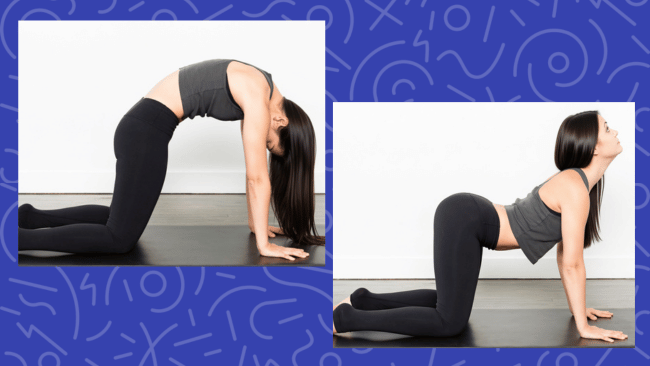
Start on all fours, with your hands directly under your shoulders and your knees under your hips. Slowly round your back towards the ceiling, then gently lower your belly towards the floor while lifting your head and looking forward. Perform each movement slowly and with control, avoiding sudden movements. Repeat 8–10 times.
2. Bird-Dog Exercise
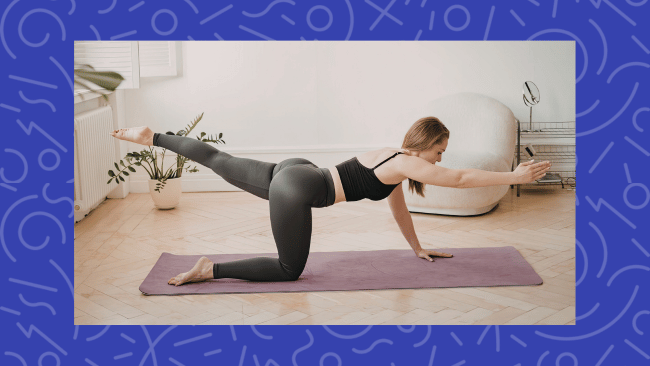
Stay on all fours. At the same time, extend your right arm forward and your left leg backward. Hold the position for a few seconds, return to the starting position and repeat on the opposite side. Complete 8–10 repetitions on each side. This exercise engages your core muscles and helps improve stability.
3. Glute Bridge
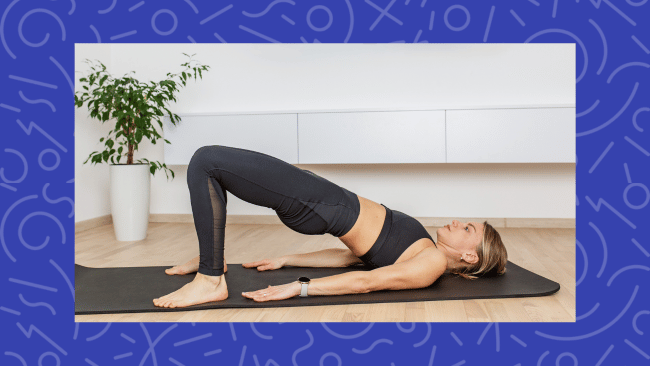
Lie on your back with your knees bent and your feet flat on the floor, hip-width apart. Engage your abdominal muscles and lift your hips until your body forms a straight line from your shoulders to your knees. Hold briefly, then slowly lower your hips back down. Repeat 10–12 times. This exercise strengthens your gluteal muscles and helps improve pelvic and core stability.
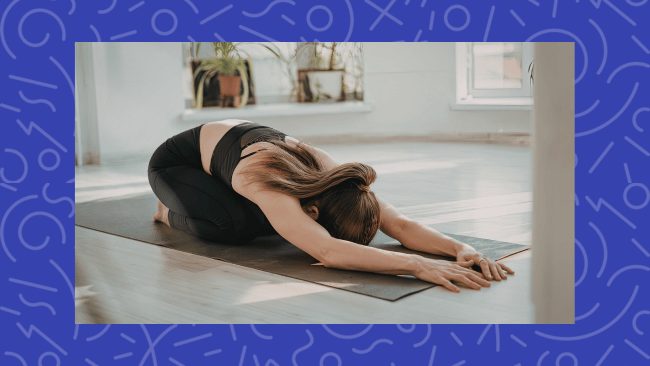
4. Child’s Pose
Kneel on the floor, sit back on your heels and slowly lower your upper body forward, extending your arms in front of you. Relax your shoulders and breathe steadily. Hold the position for 20–30 seconds without forcing the stretch. This gentle stretch can help relax your back muscles.
Note: These exercises are not a one-size-fits-all treatment for back pain. Perform them within a comfortable range of motion and avoid forcing any movement. If an exercise causes pain or makes existing pain worse, stop and seek professional advice.
How to Prevent Back Pain
Taking care of your back involves more than just exercising. Everyday habits also play an important role in supporting spinal health and reducing strain on your back. Here are a few simple tips to help prevent back pain:
- Take breaks from prolonged sitting: Get up regularly, stretch and take a short walk, especially if you spend most of your day working at a computer.
- Stay physically active: Walking, swimming, cycling and other activities can help you keep moving and maintain an active lifestyle.
- Strengthen your core muscles: Alongside back exercises, include exercises that target your abdominal and gluteal muscles, as they help support overall body stability.
- Use proper lifting techniques: When lifting heavy objects, bend your knees, keep the load close to your body and avoid twisting your torso suddenly.
- Exercise regularly: Choose activities you enjoy and gradually increase the intensity and duration of your workouts.
- If your back pain is persistent, severe or getting worse, don’t rely on exercise alone to address it. Seek advice from a healthcare professional.
The World Health Organization (WHO) recommends that adults engage in 150–300 minutes of moderate-intensity aerobic physical activity per week, along with muscle-strengthening activities involving all major muscle groups on at least two days a week. It’s a good reminder that regular physical activity is essential for overall health and well-being.
If your back pain is severe, persistent or getting worse, consult a healthcare professional. The NHS also recommends staying active as much as your condition allows, while avoiding movements that make the pain worse.
Healthy Back Starts with Regular Movement
A strong, healthy back is the result of taking care of your body consistently, not just exercising from time to time. Find an activity that suits you, whether it’s strength training, yoga, Pilates or swimming, and make movement part of your everyday routine.
With MultiSport, you can explore different types of physical activities, discover what you enjoy and take another step towards a more active and healthier lifestyle.