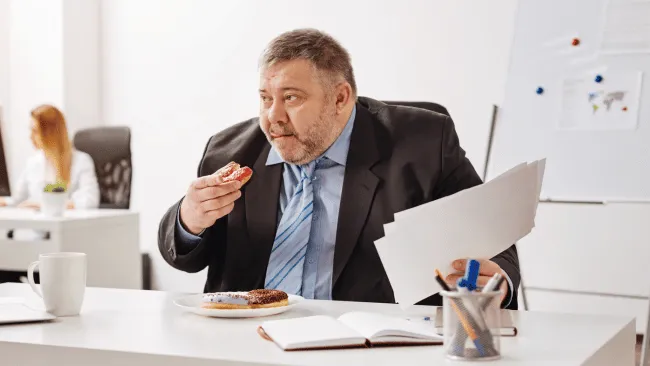
More than half of adults in Croatia are overweight or living with obesity, while only 14% of adults exercise more than three times a week. This is no longer just a matter of personal habits. It is time to look at the bigger picture and ask ourselves how much we, as a society, truly care about health.
We also need to consider that we spend most of our day at work. Throughout the working day, we make decisions that affect our health – from how much we move to what we eat and when:
Will we have time to take a proper lunch break, or will we skip a meal altogether?
Will we have the time and energy to be physically active after work, or will we put it off until another day?
The work environment we create matters, as does how well it supports employee health. Employers have an important role to play, too, because employee health is no longer an issue that can be treated separately from business operations. Healthy habits depend not only on the choices we make, but also on our daily routines and the environments in which we spend most of our time.
What Do the Data Tell Us About Health in Croatia?
The data show that Croatia lags behind the EU average in both body weight and physical activity. According to the OECD and European Commission report EU Country Cancer Profile: Croatia 2025, 58% of adults in Croatia are overweight or living with obesity, compared with 51% across the EU. At the same time, only 14% of adults exercise more than three times a week, compared with the EU average of 31%.
This comparison raises an important question: how accessible are physical activity and healthy living in our everyday lives? The gap in physical activity is particularly striking and difficult to ignore when we consider how to build healthy habits that we can sustain over the long term.
The impact is also reflected in the number of years we can expect to live in good health. According to Eurostat, the number of healthy life years in 2024. in Croatia was 63.1, compared with 65.2 across the EU. In other words, it is not just about how long we live, but also how long we can expect to live without health-related limitations. This matters when we look at employee health, too, because healthy habits are shaped by every aspect of daily life, including the workplace.
And the challenge does not stop with adults. According to the WHO Regional Office for Europe’s COSI study for 2022–2024, as many as one in four children aged 7–9 are overweight, and 11% are living with obesity. This highlights the importance of looking at the environments in which habits are formed and passed on – from the family and school to the workplace.
The figures alone do not explain all the underlying causes, but they clearly show that there is room for change. That is why it is important to discuss how we can make healthy habits more accessible in everyday life, including the time we spend at work and the ways employers can support employee health.
How Much Room Is There for Healthy Habits During the Working Day?
If we spend eight hours a day at work, plus the time it takes to commute to and from the office, it is clear that a large part of our day revolves around work. Realistically, if we do not maintain healthy habits during those hours, how much opportunity do we really have to practice them?
This applies not only to physical activity but also to nutrition.
Will we grab something quick to eat during the working day, reach for fast food because it is the most convenient option, or have the time and opportunity to enjoy a balanced meal?
Will we bring lunch from home, choose a healthier takeaway option, or simply skip a meal because of our workload?
The effects of this daily routine often carry over into our personal lives. When we get home tired and hungry, finding the time and motivation to prepare a nutritious meal is not always easy. As a result, the choices we make during the working day continue to influence our habits for the rest of the day.
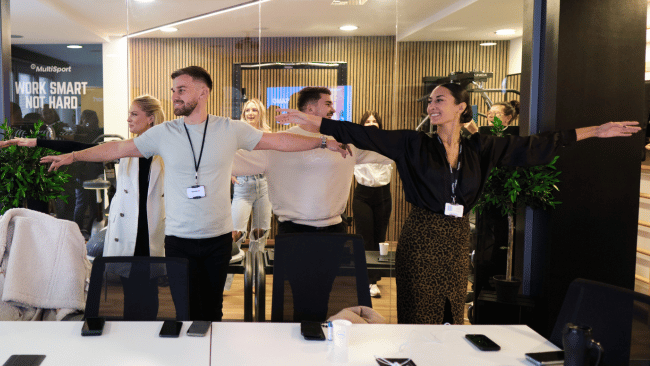
That is why employee health needs to be viewed more broadly than just individual choices. Employers cannot make decisions on behalf of their employees, but they can help create an environment where making healthier choices is easier – from providing opportunities for physical activity to making it possible to take regular meal breaks and access healthier food options.
Benefits such as the MultiSport programme can also help by giving employees access to a variety of sports and leisure activities, along with additional perks such as discounts on healthy food and dietary supplements.
World Food Day: An Opportunity to Build Healthier Habits
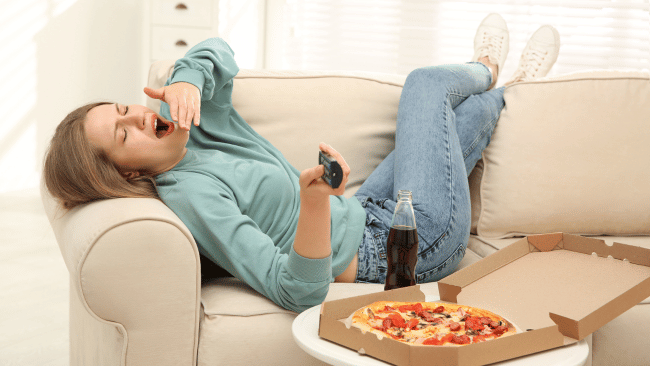
World Food Day, celebrated on 16 October, is an opportunity to reflect on how accessible healthy eating really is in our everyday lives. With work commitments and the fast pace of modern life, nutritious meals and time for physical activity can easily take a back seat. That is why we should not think of healthy choices as obligations, but as part of our daily routine that helps us feel better in the long run.
Looking after our health is not about making a single decision or focusing on one day a year. It is built through the small choices we make every day, as well as the environments that help us turn those choices into lasting habits. Initiatives that encourage healthier lifestyles can be part of a broader approach to employee health and wellbeing.
Investing in employee health is therefore an important part of creating a workplace that supports wellbeing. When health becomes part of everyday life, it creates better conditions for building healthy habits that last – both at work and beyond.
Sources:
- OECD and European Commission, EU Country Cancer Profile: Croatia 2025
- Eurostat, Healthy life years by sex (from 2004 onwards), 2023
- WHO Regional Office for Europe, Childhood Obesity Surveillance Initiative (COSI), 2022–2024