
Protein is often associated with going to the gym, protein shakes, and building muscle, but its role is much broader. It is essential for muscle repair and post-workout recovery, as well as for the body’s everyday functions. Whether you work out regularly or are simply trying to incorporate more physical activity into your routine, it’s important to understand how much protein you need, which foods to choose, and when to consume it.
What Do Proteins Do and Why Are They Important?
Proteins play several important roles in the body. They help build and maintain muscle, repair tissues, and produce enzymes and hormones. They are particularly important after physical activity, as they provide the amino acids needed for muscle recovery and adaptation to exercise. In addition, protein helps promote feelings of fullness, making it an important part of balanced meals.
How Much Protein Should You Consume Daily?
There is no single protein intake that works for everyone. Your daily requirements depend on your body weight, age, physical activity level, and personal goals. According to the European Food Safety Authority (EFSA), the recommended daily protein intake for adults is 0.83 g per kilogram of body weight.
People who exercise regularly have higher protein requirements – the International Society of Sports Nutrition (ISSN) recommends 1.4 to 2 g per kilogram of body weight per day. For example, someone weighing 70 kg who exercises regularly may aim for 98 to 140 g of protein daily.
Which Foods Are Highest in Protein?
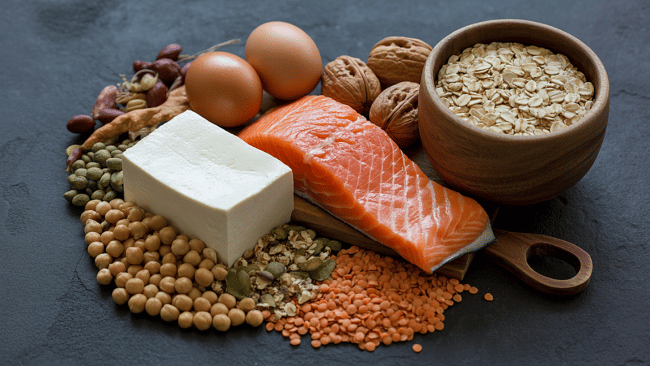
The good news is that you don’t have to rely on protein shakes and supplements to meet your daily needs. Protein is found in a wide variety of foods that are easy to incorporate into everyday meals. Some of the best animal-based sources include chicken, turkey, tuna, salmon, eggs, cottage cheese, and Greek yogurt. Plant-based options include lentils, chickpeas, beans, tofu, tempeh, nuts, and seeds.
If you prefer a plant-based diet, there’s no need to worry – legumes and soy products can also be valuable components of a protein-rich diet. The key is to combine different protein sources and adjust portion sizes to meet your daily needs.
What Should You Eat Before and After a Workout?
What you eat before and after exercise can affect your energy levels, performance, and recovery. Before a workout, it’s best to choose a meal that combines protein and carbohydrates without being too heavy on your stomach. Good options include oatmeal made with milk, Greek yogurt with a banana, or a turkey sandwich.
After a workout, it’s important to replenish your energy and provide your body with the protein it needs for muscle repair. Some simple meal ideas include eggs with whole-grain bread, cottage cheese, chicken with rice, or tofu with vegetables.
However, there’s no need to rush to drink a shake the moment you finish your last exercise. According to the International Society of Sports Nutrition (ISSN), meeting your total daily protein requirements and spreading your intake throughout the day is more important than worrying about the exact timing of a single meal.

Who Needs Protein and Are Protein Supplements Necessary?
Protein is important for everyone, not just those who regularly go to the gym. It is particularly important for people who play sports, want to build or maintain muscle mass, and anyone looking to support recovery after physical activity. It also plays an important role in the diets of older adults, for whom maintaining muscle mass is especially important.
But do you need protein powder? Not necessarily! If you get enough protein from a varied diet, supplements are probably unnecessary. Protein shakes can be a convenient option when you don’t have time for a meal or struggle to meet your daily requirements, but they are not a substitute for a balanced diet.
Making Protein Part of Your Daily Diet
Whether your goal is better post-workout recovery, maintaining muscle mass, or simply improving your overall diet, protein deserves a place on your plate. The key is to choose a variety of sources, adjust your intake to your individual needs, and find an eating pattern you can maintain in the long term.